Does Masturbation Affect Your Health? What Science Says
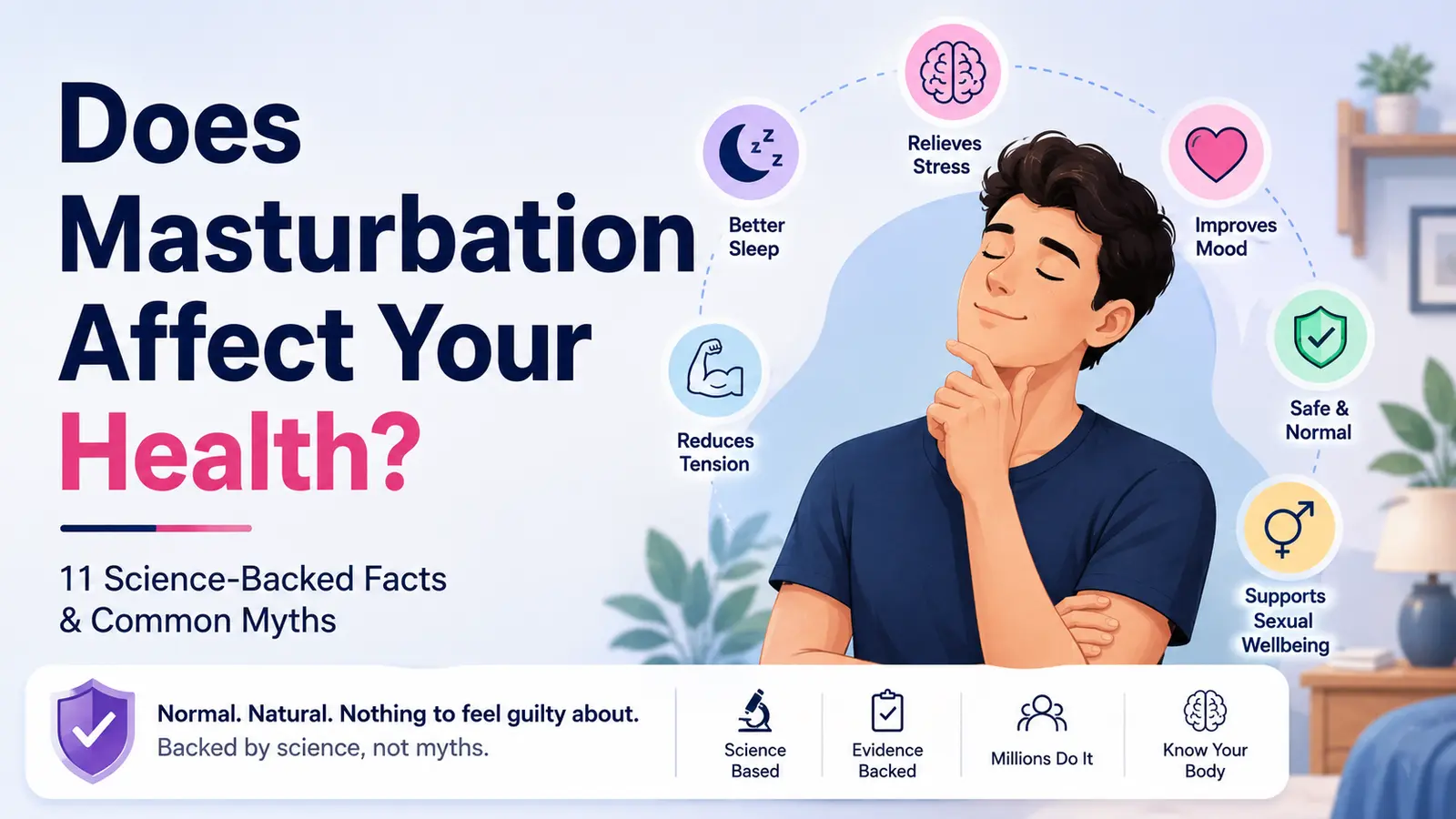
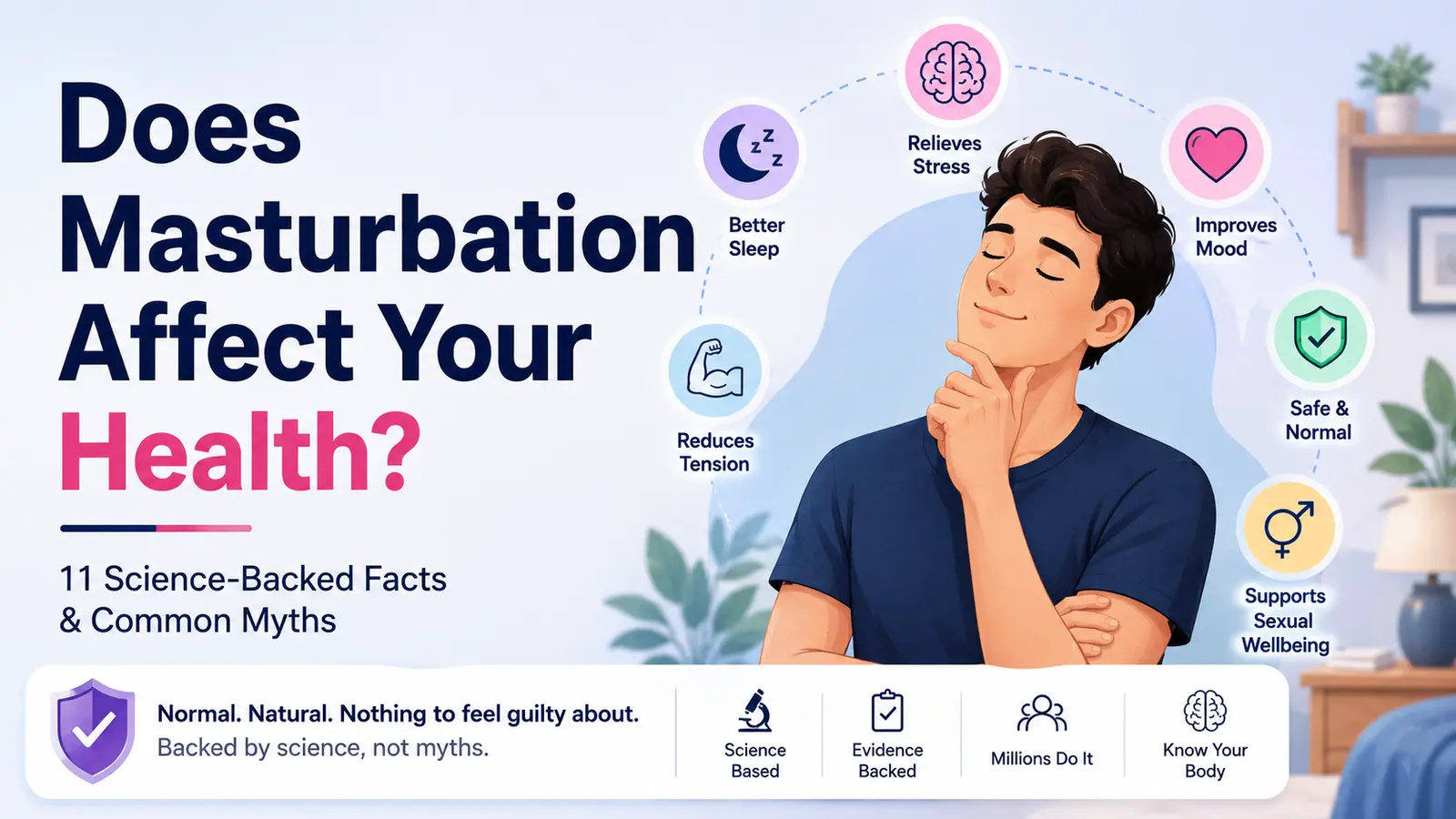
Does masturbation affect your health? For most people, masturbation is a normal part of sexual health and does not cause the serious problems often claimed online. Research and medical guidance do not support common myths that masturbation causes infertility, permanent weakness, hair loss, acne, or long-term testosterone problems. Masturbation may also help some people relax, […]
Contents
Does masturbation affect your health? For most people, masturbation is a normal part of sexual health and does not cause the serious problems often claimed online. Research and medical guidance do not support common myths that masturbation causes infertility, permanent weakness, hair loss, acne, or long-term testosterone problems.
Masturbation may also help some people relax, reduce stress, sleep better, understand their sexual preferences and relieve sexual tension. However, frequency alone does not determine whether masturbation is healthy. The bigger question is whether it causes physical injury or begins interfering with everyday life.
In this guide, we’ll look at 11 science-backed facts about masturbation, common myths, possible benefits, potential problems and when you should consider speaking with a healthcare professional.
Table of Contents
- Is Masturbation Healthy?
- 11 Things Science Says About Masturbation
- Does Masturbation Reduce Testosterone?
- Does Masturbation Affect Sperm Count or Fertility?
- Does Masturbation Cause Weakness?
- Does Masturbation Cause Hair Loss or Acne?
- Is Masturbating Every Day Bad for You?
- Can Masturbation Affect Your Sex Life?
- Can Masturbation Cause Physical Problems?
- Can You Get an STI From Masturbation?
- When Can Masturbation Become a Problem?
- Common Masturbation Myths
- When Should You Talk to a Doctor?
- Frequently Asked Questions
Is Masturbation Healthy?
Yes. For most people, masturbation is considered a normal and generally healthy sexual behavior.
People masturbate at different frequencies, while some people don’t masturbate at all. There is no medically required number of times a person should masturbate.
Planned Parenthood explains that masturbation can be a safe way to explore your body and learn what types of touch feel comfortable and pleasurable. It also notes potential benefits such as stress reduction, relaxation and helping some people sleep.
Planned Parenthood: Is Masturbation Healthy?
The important distinction is between normal sexual behavior and behavior that causes injury or significantly interferes with daily responsibilities.
11 Things Science Says About Masturbation
1. Masturbation is generally normal
Masturbation is common among people of different ages, genders and relationship statuses. Some people do it frequently, others occasionally, and some never do.
There is no universal “normal” frequency.
What matters is how masturbation fits into your overall life.
2. It may help with relaxation and stress
Some people masturbate because it helps them relax after a stressful day.
Sexual arousal and orgasm are associated with physiological changes that can promote feelings of relaxation. Planned Parenthood lists stress reduction and relaxation among the potential benefits of masturbation.
3. It may help some people sleep
Some people find that masturbation or orgasm helps them relax before going to sleep.
This does not mean masturbation is a treatment for insomnia, but relaxation after sexual activity may make it easier for some people to fall asleep.
4. It can help you understand your body
Masturbation can help you learn about your own sexual responses and preferences.
That knowledge may make it easier to communicate with a partner about what feels comfortable and what doesn’t.
5. It does not cause infertility
One of the most persistent myths is that frequent masturbation permanently damages fertility.
That isn’t supported by medical evidence.
Planned Parenthood states that masturbation does not cause infertility or permanently reduce a person’s ability to have children.
Planned Parenthood: Masturbation, Sperm Count and Fertility
6. It does not permanently lower testosterone
Does masturbation affect your health by lowering testosterone? No.
Current medical guidance does not support the idea that regular masturbation causes a long-term decrease in testosterone.
Planned Parenthood specifically states that masturbation does not cause low testosterone. Cleveland Clinic similarly explains that masturbation does not have long-term effects on testosterone levels.
Cleveland Clinic: What Can and Can’t Cause Low Testosterone
7. It doesn’t cause permanent physical weakness
You might feel relaxed or temporarily tired after orgasm.
That is different from masturbation causing chronic weakness.
There is no good evidence that normal masturbation permanently reduces physical strength or “drains” the body’s energy.
If you’re experiencing persistent fatigue or weakness, don’t automatically blame masturbation. Other medical, lifestyle or psychological factors could be responsible.
8. It doesn’t cause hair loss
There is no established medical evidence that masturbation causes hair loss.
Hair loss can be associated with genetics, hormones, age, certain medical conditions and medications.
Masturbation isn’t considered a cause of male-pattern baldness.
9. It doesn’t cause acne
Another common myth is that masturbation causes pimples.
There is no established evidence that masturbation causes acne.
Acne is influenced by factors such as hormones, oil production, clogged pores, bacteria and genetics.
10. It doesn’t automatically harm your sex life
Masturbation does not automatically cause erectile dysfunction or other sexual problems.
For some people, understanding their own sexual responses can actually make communication with a partner easier.
However, individual experiences can differ. If you consistently experience pain, difficulty with erections, difficulty reaching orgasm or another sexual problem, speak with a healthcare professional rather than assuming masturbation is the cause.
11. Frequency isn’t the main measure of whether it’s healthy
Does masturbation affect your health based simply on how often you do it? Not necessarily.
Some people masturbate every day. Others do it once a week, occasionally or never.
Planned Parenthood notes that masturbation can be normal even when it happens daily or more than once a day, provided it isn’t interfering with everyday activities.
Planned Parenthood: Is Masturbating Every Day Bad for Your Health?
Does Masturbation Reduce Testosterone?
No, regular masturbation does not cause a long-term testosterone decrease.
Testosterone naturally fluctuates throughout the day and can be affected by many factors.
Sexual activity can produce temporary hormonal changes, but that shouldn’t be confused with permanently lowering testosterone.
If you have symptoms such as persistently low sex drive, low energy, erectile difficulties or other symptoms that concern you, don’t assume masturbation is responsible. Low testosterone has many possible causes and requires appropriate medical evaluation.
Does Masturbation Affect Sperm Count or Fertility?
No, masturbation does not cause permanent infertility.
Frequent ejaculation can temporarily affect the amount of semen or sperm present in an individual ejaculation, but this is not the same as permanently lowering fertility.
Planned Parenthood specifically states that masturbation does not affect sperm count or the ability to have children.
Read Planned Parenthood’s fertility guidance
If you’re concerned about fertility, particularly after trying to conceive without success, a healthcare professional can evaluate the actual causes rather than relying on assumptions about masturbation.
Does Masturbation Cause Weakness?
No.
Masturbation doesn’t cause permanent physical weakness.
After orgasm, some people experience temporary relaxation or tiredness. That’s a normal short-term response and isn’t evidence that masturbation is damaging your body.
If you have ongoing weakness, exhaustion, dizziness or other unexplained symptoms, consider discussing them with a healthcare professional.
Does Masturbation Cause Hair Loss or Acne?
Hair loss
No. There is no established evidence that masturbation causes hair loss.
Acne
No. Masturbation is not considered a cause of acne.
Both conditions have many other possible causes, including genetics, hormones and skin-related factors.
These are examples of why it’s important to separate internet myths from evidence-based sexual-health information.
Is Masturbating Every Day Bad for You?
Not necessarily.
Daily masturbation does not automatically mean that something is wrong.
People have very different sexual habits, and frequency alone isn’t enough to determine whether behavior is healthy. Planned Parenthood notes that even daily masturbation or masturbation more than once a day can be normal when it doesn’t interfere with everyday life.
However, frequency may become a concern if masturbation regularly:
- Causes pain or skin irritation
- Makes you miss school or work
- Interferes with relationships
- Prevents you from completing responsibilities
- Feels difficult to control
- Becomes your main way of coping with distress
The question isn’t simply “How many times do I masturbate?”
It’s “Is masturbation negatively affecting my life?”
Can Masturbation Affect Your Sex Life?
For many people, masturbation can help them understand their own sexual preferences.
Learning what feels comfortable can make communication with a partner easier. Planned Parenthood notes that masturbation can help people understand what they like and don’t like sexually.
However, masturbation shouldn’t be blamed automatically for sexual difficulties.
If you regularly experience:
- Erectile difficulties
- Pain during sexual activity
- Difficulty reaching orgasm
- Significant changes in sexual desire
- Persistent ejaculation problems
consider speaking with a healthcare professional.
Can Masturbation Cause Physical Problems?
Usually, masturbation doesn’t cause serious physical problems.
However, vigorous or repeated friction can cause temporary irritation, soreness or swelling.
Planned Parenthood recommends reducing friction and using suitable lubrication when needed. It also recommends cleaning sex toys and avoiding sharing them without appropriate hygiene or protection.
If you experience persistent pain, bleeding, significant swelling or an injury that doesn’t improve, seek medical advice.
Can You Get an STI From Masturbation?
Solo masturbation does not normally transmit an STI.
However, STI transmission can become possible when another person’s sexual fluids, genitals or infected skin are involved.
Sharing sex toys can also create STI risk. If toys are shared, clean them properly and use appropriate protection between users.
If you’re worried about STI exposure, read our guide:
What Should You Do If You Have an STI?
Does Masturbation Affect Pregnancy?
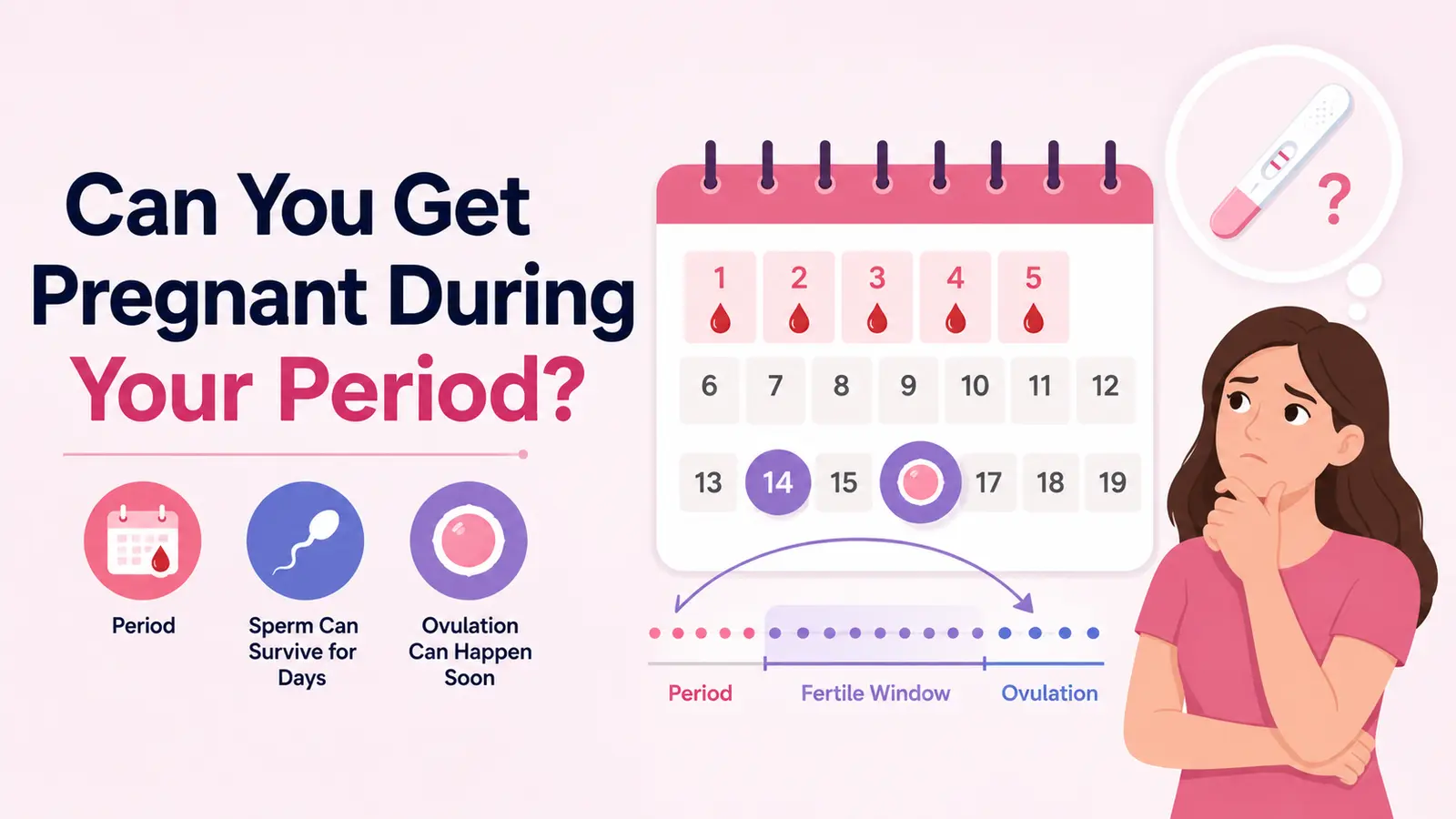
Masturbating by yourself cannot cause pregnancy.
Pregnancy requires sperm to reach an egg.
However, sexual activity involving another person can create pregnancy risk if sperm-containing semen or pre-ejaculate enters the vagina.
When Can Masturbation Become a Problem?
Masturbation itself isn’t automatically unhealthy because it happens frequently.
The concern is when it causes significant interference with everyday life or physical harm.
For example, consider getting professional support if you:
- Feel unable to control the behavior
- Regularly miss work or school because of it
- Avoid relationships or important responsibilities
- Continue despite repeated physical injury
- Experience significant distress related to the behavior
Planned Parenthood notes that masturbation becomes a concern when it gets in the way of work, responsibilities or social life.
Planned Parenthood: Does Excessive Masturbation Have Health Risks?
Common Masturbation Myths
| Claim | What the evidence says |
|---|---|
| Masturbation causes infertility | Not supported |
| Masturbation permanently lowers testosterone | Not supported |
| Masturbation causes hair loss | Not supported |
| Masturbation causes acne | Not supported |
| Masturbation causes permanent weakness | Not supported |
| Masturbation permanently reduces sperm count | Not supported |
| Masturbation is unhealthy | Not generally true |
| Rough masturbation can cause irritation | Possible |
| Daily masturbation is automatically unhealthy | Not necessarily |
| Masturbation can become a problem when it interferes with daily life | Yes |
The key takeaway is that frequency alone isn’t a reliable measure of sexual health.
How to Keep Masturbation Comfortable and Safe
If you masturbate, basic sexual-health practices can reduce discomfort and irritation.
Use appropriate lubrication
Lubrication can reduce friction and make sexual stimulation more comfortable.
Avoid excessive force
If something hurts, stop. Pain isn’t something you need to push through.
Keep your hands and toys clean
Good hygiene can reduce the chance of irritation or infection.
Be careful when sharing sex toys
If a toy is shared with another person, clean it appropriately and use suitable protection between users.
Give irritated skin time to recover
If your skin becomes sore or irritated, take a break until it feels better.
When Should You Talk to a Doctor?
You should consider medical advice if you experience:
- Persistent genital pain
- Bleeding
- Significant swelling
- Skin injury that doesn’t heal
- Pain during or after orgasm
- Persistent erectile problems
- Significant changes in sexual function
- Severe or persistent distress
- Sexual behavior that feels uncontrollable
Pain during orgasm, for example, can have several possible causes and deserves medical evaluation when it persists.
The Bottom Line
Does masturbation affect your health? For most people, masturbation is a normal and generally healthy sexual behavior.
It does not appear to cause infertility, permanent weakness, hair loss, acne or long-term testosterone reduction. It may help some people relax, reduce stress, sleep better and understand their sexual preferences.
There is also no medically required frequency. Masturbating every day isn’t automatically unhealthy, and masturbating rarely or never is also completely okay.
The important question is whether masturbation is causing physical injury, significant distress or interference with everyday life.
Frequently Asked Questions
Does masturbation affect your health?
For most people, masturbation does not negatively affect your health. It is generally considered a normal sexual behavior and may have benefits such as relaxation and stress reduction.
Is masturbation good or bad for you?
For most people, masturbation is neither something to fear nor something that needs to be avoided for health reasons. It is generally considered safe and normal.
Does masturbation reduce testosterone?
No. Regular masturbation does not cause a long-term reduction in testosterone.
Does masturbation cause infertility?
No. Masturbation does not cause permanent infertility or prevent someone from having children in the future.
Does masturbation reduce sperm count?
No evidence shows that normal masturbation permanently reduces sperm count or fertility. Individual ejaculations can vary, but this isn’t the same as infertility.
Is masturbating every day bad?
Not necessarily. Daily masturbation can be normal as long as it isn’t causing injury or interfering with your everyday life.
How often should you masturbate?
There is no medically defined number. Some people masturbate frequently, some occasionally, and some never.
Can masturbation cause weakness?
No. Masturbation doesn’t cause permanent physical weakness. Temporary relaxation or tiredness after orgasm is different from chronic weakness.
Can masturbation cause hair loss?
No. There is no established evidence that masturbation causes hair loss.
Can masturbation cause acne?
No. Masturbation isn’t considered a cause of acne.
Can masturbation cause erectile dysfunction?
Normal masturbation isn’t established as a cause of erectile dysfunction. Persistent erectile problems should be discussed with a healthcare professional because they can have many causes.
Can masturbation affect your sex life?
Masturbation doesn’t automatically harm partnered sex. It may help some people understand their sexual preferences and communicate them with a partner.
Can you get an STI from masturbation?
Solo masturbation does not normally transmit an STI. Risk can occur when sexual activity involves another person or shared sex toys.
Can masturbation cause pain?
Masturbation can sometimes cause temporary irritation or soreness, particularly when there is excessive friction. Persistent or severe pain should be evaluated by a healthcare professional.
When is masturbation considered too much?
There isn’t a specific number. It may be a problem when it causes physical injury, feels difficult to control or significantly interferes with school, work, relationships or other responsibilities.
Is it normal to never masturbate?
Yes. Masturbation is a personal choice. Some people masturbate frequently, while others rarely or never do.
Advertisement · Continue Reading Below

No comments yet — be the first to comment.
Leave a comment
Comments are reviewed before they appear.